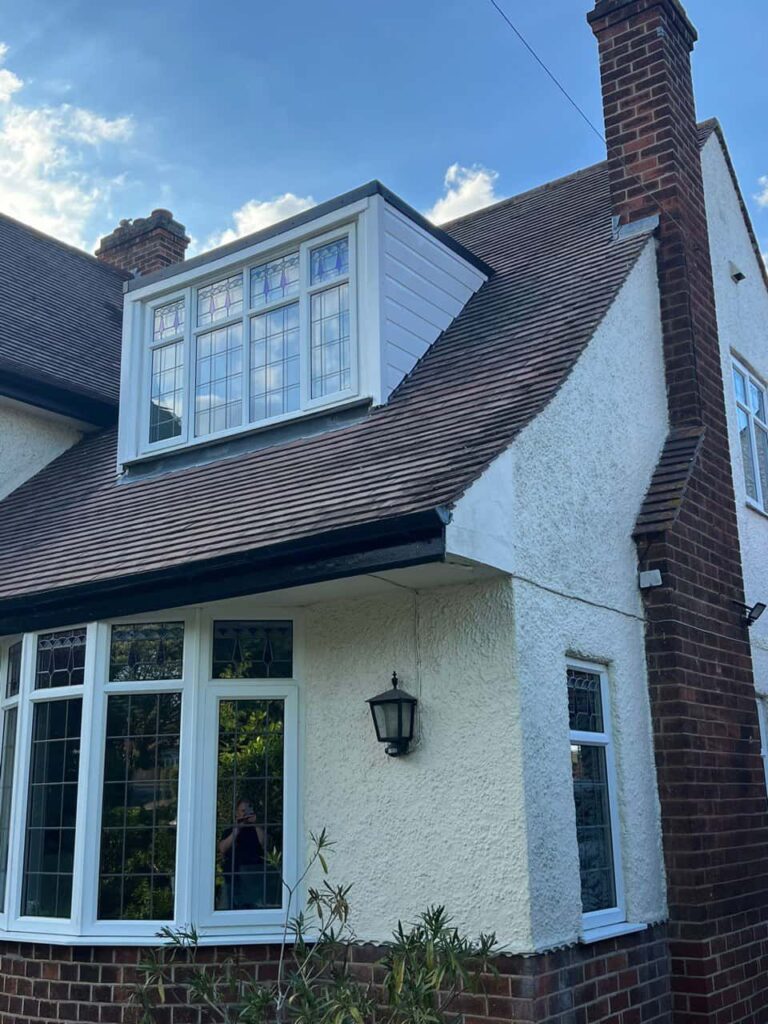
A roof protects your property from rain, wind and changing weather conditions, but even well-maintained roofing materials eventually deteriorate. When problems begin to appear, it can be difficult to determine whether a localised repair will resolve the issue or whether a complete roof replacement is the more suitable long-term solution.
For homeowners in Beeston, Nottingham, recognising the signs of widespread roof deterioration can help you make an informed decision about maintaining your property. Beeston Roofing Repairs provides professional roofing assessments to identify defects, evaluate the condition of existing materials and recommend appropriate work based on the roof’s overall condition.
When Is a New Roof Better Than Repairs?
Not every leak or damaged tile means a roof needs replacing. Isolated defects can often be repaired successfully when the surrounding materials and supporting structure remain in good condition. However, when several parts of the roof are failing, repeated repairs may not address the underlying problems.
1. Frequent or Recurring Roof Leaks
An occasional leak caused by a slipped tile or damaged section of flashing may be resolved with a targeted repair. However, if leaks keep returning in different areas, the problem may indicate more widespread deterioration.
Repeated water ingress can affect roof timbers, insulation, ceilings and internal finishes. Damp patches, peeling paint and water stains in several rooms may suggest that the roof needs a more thorough assessment.
A professional inspection can establish whether the leaks have separate, repairable causes or whether the roof covering has deteriorated to the point where replacement should be considered.
2. Widespread Cracked, Missing or Slipped Tiles
Individual broken or displaced tiles are usually repairable, provided the underlying roof remains sound. However, when numerous tiles are cracked, slipping or missing across different sections, the condition of the entire roof should be reviewed.
Ageing tiles may become brittle, while deteriorating fixings can allow otherwise intact tiles to move out of position. Replacing isolated tiles may be sufficient if the remaining covering is in good condition, but widespread defects can indicate that the roof is approaching the end of its useful life.
The key consideration is whether the damage is localised or part of a broader pattern of deterioration.
3. An Ageing Roof Showing Multiple Signs of Wear
Roofing materials have different lifespans depending on their type, quality, installation and exposure to the elements. As a roof ages, it may develop several problems at once, including worn surfaces, failing fixings, deteriorating mortar and damaged flashing.
Age alone does not automatically mean a roof needs replacing. A well-maintained roof may continue to perform effectively for many years. However, if an older roof is experiencing recurring leaks and widespread material failure, replacement may provide a more reliable solution than continuing to repair individual defects.
A roofing assessment can help determine how much useful life remains and whether the existing covering can still be maintained effectively.
4. Sagging or Uneven Roof Sections
A roofline that appears uneven or visibly sagging should never be ignored. It may indicate deterioration of supporting timbers, prolonged moisture exposure or another structural problem beneath the roof covering.
Unlike a single damaged tile, a sagging section can involve the roof’s underlying structure. Simply replacing the visible roofing materials will not resolve the issue if the supporting components are weakened.
If you notice significant sagging, spreading cracks or signs of structural movement, keep clear of potentially unsafe areas and arrange a professional assessment promptly. The extent of the damage will determine whether structural repairs, partial renewal or a more comprehensive replacement is appropriate.
5. Deteriorating Roof Felt or Underlay
The underlay beneath many tiled roofs provides an additional layer of protection against wind-driven rain and moisture. Over time, older underlay can become brittle, torn or less effective.
If the underlay has deteriorated across a large area, replacing a few roof tiles may not restore the roof’s overall weather resistance. Accessing and renewing the affected layers can require more extensive work.
Where underlay failure is accompanied by widespread tile damage or other ageing components, a new roof covering may be worth considering as part of a comprehensive solution.
6. Repeated Repairs Are No Longer Solving the Problem
If the same roof continues to develop leaks or defects despite previous repairs, it may be time to reassess the overall condition rather than focus on each new symptom.
Repeated failures can indicate that several components are deteriorating together. For example, replacing tiles will not solve a problem caused by failing battens, just as renewing flashing alone will not address widespread damage to the roof covering.
A full inspection helps identify the underlying causes and compare the suitability of further repairs with a complete or partial roof replacement.
What Should Be Checked Before Replacing a Roof?
Before recommending a new roof, a roofer should assess the covering, supporting structure, flashing, ridge details, drainage and any accessible underlay. The inspection should establish whether defects are isolated or widespread and whether the underlying roof remains suitable for continued use.
In some cases, replacing a particular roof section may be sufficient. In others, a complete replacement may offer a more dependable way to address multiple failing components together.
The decision should be based on the roof’s actual condition, rather than age or appearance alone. A clear assessment helps property owners understand the available options and choose an appropriate solution.
Professional Roof Assessments in Beeston, Nottingham
Knowing whether to repair or replace a roof requires an understanding of how its different components work together. Beeston Roofing Repairs helps property owners in Beeston, Nottingham, identify roofing defects and assess whether targeted repairs or more extensive work may be necessary.
Whether you have recurring leaks, widespread tile damage or concerns about an ageing roof, professional advice can help you understand the condition of your roof and the most suitable next steps.
Conclusion
Frequent leaks, widespread tile damage, deteriorating underlay, structural concerns and repeated repair failures can all indicate that a roof needs more than isolated fixes. However, these signs should be assessed in context, as some problems can still be resolved without replacing the entire covering.
If you are concerned about the condition of your roof, contact Beeston Roofing Repairs to discuss your requirements and arrange a professional roofing assessment in Beeston, Nottingham.
Call us on: 0115 647 1193
Click here to find out more about Beeston Roofing Repairs
Click here to complete our contact form and see how we can help with your roofing needs.