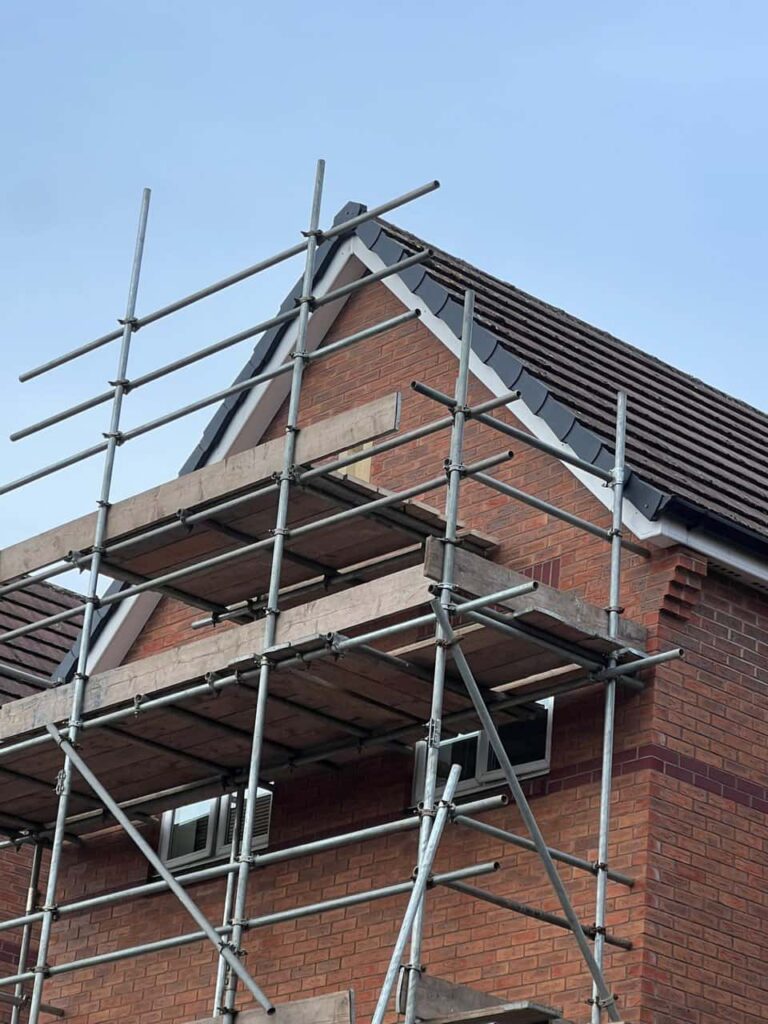
Slipped roof tiles are a common issue on pitched roofs, but the underlying causes are not always obvious. While storm damage is often blamed, many cases arise from less noticeable factors that develop gradually over time. For property owners in Beeston, Nottingham, understanding these causes can help identify problems early and protect the roof from wider damage.
Below are nine unexpected reasons roof tiles may begin to slip.
1. Natural Ageing of Fixings
Over time, nails, clips, and other fixings can corrode or weaken. As these components deteriorate, tiles may no longer be held securely in place, allowing them to shift or slide, particularly during periods of wind or heavy rain.
2. Timber Movement Within the Roof Structure
Roof timbers naturally expand and contract due to changes in temperature and moisture levels. This subtle movement can affect the alignment of battens and fixings, gradually loosening tiles even when the roof appears intact from ground level.
3. Inadequate Batten Support
If roof battens are incorrectly spaced or have weakened over time, tiles may lose the support they need to stay in position. This can cause isolated areas of slippage rather than widespread damage.
4. Previous Poor-Quality Repairs
Temporary or poorly executed repairs can disturb surrounding tiles without fully securing them. Over time, these disturbed tiles are more likely to slip, particularly when exposed to changing weather conditions.
5. Weight Build-Up From Moss and Debris
Moss, lichen, and debris can accumulate on roof surfaces, adding unexpected weight. This additional load places stress on tiles and fixings, increasing the likelihood of movement, especially on older roofs.
6. Faulty or Deteriorating Underlay
The roof underlay plays a key role in supporting tiles and managing moisture. When underlay becomes brittle or damaged, it can affect how tiles sit and contribute to gradual slippage over time.
7. Wind Uplift in Exposed Areas
Even moderate wind conditions can create uplift pressure beneath tiles, particularly along roof edges and ridges. Repeated exposure weakens fixings and can eventually cause tiles to move out of alignment.
8. Thermal Expansion of Roofing Materials
Roofing materials respond differently to heat and cold. Repeated thermal expansion and contraction can slowly loosen fixings, especially on roofs that experience significant temperature variation throughout the year.
9. Subtle Structural Settling
As buildings naturally settle, small changes in roof geometry can occur. These shifts may not be immediately visible but can alter load distribution across the roof, leading to tile movement in specific areas.
Why Early Detection Matters
Slipped tiles are more than a cosmetic issue. Even minor displacement can allow water to enter the roof structure, leading to damp, timber decay, and insulation problems. Identifying the cause early allows targeted repairs that protect the roof’s overall condition.
At Beeston Roofing Repairs, we carry out detailed roof inspections and repairs for properties throughout Beeston, Nottingham, focusing on accurate diagnosis and long-term solutions.
Conclusion
Slipped roof tiles are often caused by gradual changes rather than sudden events. Ageing fixings, structural movement, debris build-up, and previous repairs can all contribute to tiles losing their secure position. Understanding these unexpected causes helps homeowners recognise when professional attention may be needed.
If you have noticed slipped or uneven tiles on your roof in Beeston, Nottingham, Beeston Roofing Repairs is available to provide expert assessment and dependable repair services to help keep your property protected.
Call us on: 0115 647 1193
Click here to find out more about Beeston Roofing Repairs
Click here to complete our contact form and see how we can help with your roofing needs.